


Coatings
A coating is a very thin layer of functional material, typically 2–4 μm thick, applied to the surface of a substrate or target. Coatings can be applied in liquid, gas, or solid form, and their thickness, hardness, adhesion, roughness, coverage, and many other properties can be measured and tested.
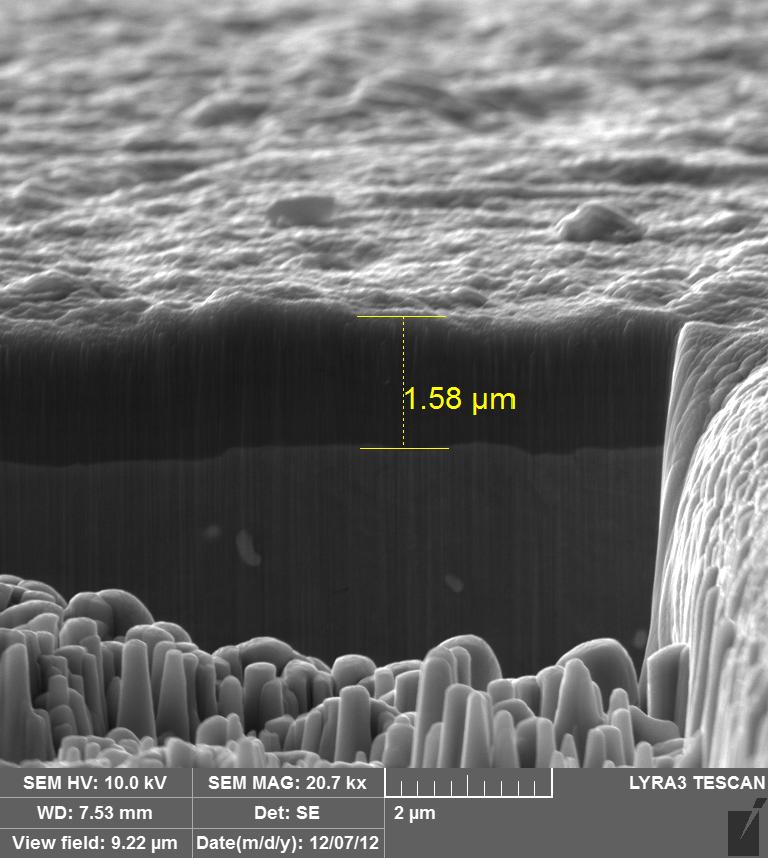
Today, several coating methods are in use. Among the most common for applying solid coatings are PVD (Physical Vapour Deposition) and CVD (Chemical Vapour Deposition).
STATON specialises in PVD coatings and techniques, specifically plasma cathode evaporation and magnetron sputtering. All PVD coatings are applied in a vacuum.

The STATON coating centre in Turany has over 25 years of experience in applying hard, wear-resistant coatings to cutting tools—such as drills, milling cutters, blades, saws, and taps—and forming tools, including shears, moulds, dies, and benders. We also apply sliding and anti-corrosion coatings to a wide range of components.
Our coating processes use the latest technologies, including arc evaporation (ARC evaporation) and magnetron sputtering. Thin layers such as TiN, TiCN, TiAlN, CrAlSiN, TiBN, nanocomposites, and multilayer coatings have a significant impact on the surface properties and performance of the tools.
EFFECTS OF COATINGS ON TOOL PERFORMANCE
Significantly extend tool life
Reduce friction
Greatly increase surface hardness
Improve heat resistance at the tool tip
Enhance oxidation and chemical resistance
Enable machining of even difficult-to-machine materials
Allow higher cutting speeds
Reduce cutting forces
Produce smoother machined surfaces
Minimise burr formation
Reduce the need for coolant and support dry machining